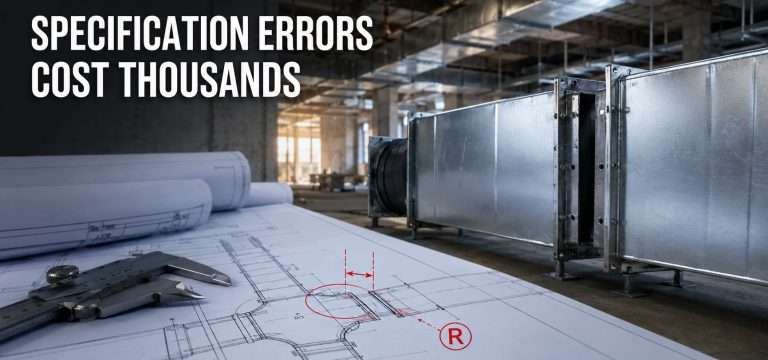
Flexible connectors are a critical component in modern HVAC systems, playing a vital role in reducing noise and vibration transmission. By understanding the benefits and applications of these versatile products, you can optimise the performance and longevity of your HVAC system.
How Flexible Connectors Work
A flexible connector is characterised by its flexible lining, typically made of high or low-temperature materials, sandwiched between two rigid flanges. This unique design empowers the connector to:
- Absorb Vibrations: By damping the vibrations generated by equipment like fans and blowers, flexible connectors significantly reduce noise levels within the HVAC system and throughout the building.
- Accommodate Thermal Expansion and Contraction: As temperatures fluctuate, the flexible lining allows for expansion and contraction, preventing stress on the ductwork and reducing the risk of leaks.
- Compensate for Misalignment: Minor misalignments between components can be easily accommodated by the flexible nature of the connector, ensuring a smooth airflow.
The Benefits of Flexible Connectors
- Noise Reduction: By mitigating vibration transmission, flexible connectors contribute to a quieter and more comfortable indoor environment.
- Improved System Longevity: Reducing stress on the ductwork and equipment can extend the lifespan of the HVAC system.
- Enhanced Energy Efficiency: By maintaining optimal airflow and preventing pressure losses, flexible connectors can improve the overall efficiency of the system.
- Simplified Installation and Maintenance: The flexibility of these connectors makes installation easier and allows for convenient access to components for maintenance and repairs.
Applications of Flexible Connectors
Flexible connectors find applications in various HVAC systems, including:
- Residential HVAC Systems: Used to connect ductwork to air conditioners, and ventilation systems.
- Commercial HVAC Systems: Employed in large-scale HVAC systems for office buildings, hospitals, and retail establishments.
- Industrial HVAC Systems: Utilised in demanding environments like manufacturing facilities and power plants.
Choosing the Right Flexible Connector
When selecting a flexible connector, consider the following factors:
- Temperature Rating: Ensure the connector can withstand the temperature range of the specific application.
- Pressure Rating: Choose a connector that can cope with the pressure differential across the system.
- Vibration Isolation: Select a connector with appropriate vibration damping properties.
- Fire Rating: Consider the fire safety requirements of the installation.
- Material Compatibility: Ensure the connector material is compatible with the ductwork and equipment.
By incorporating flexible connectors into your HVAC system, you can significantly improve its performance, reduce noise levels, and extend its lifespan.
Attenu–Tec is committed to providing innovative solutions for noise and vibration control in HVAC systems. Our range of high-quality flexible connectors is designed to meet the diverse needs of residential, commercial, and industrial applications. Contact us today to learn more about how our products can enhance your HVAC system.