South African shopping malls are more than just retail spaces; they are vibrant social hubs, meeting points, entertainment destinations, and often, havens from the Highveld cold or coastal humidity. Their success hinges on creating an inviting, comfortable, and engaging atmosphere that encourages lingering, browsing, and ultimately, spending.
While aesthetics, tenant mix, and security are typically prioritised, one critical element often goes unnoticed, yet profoundly impacts the customer experience: the acoustic environment. The pervasive hum, whir, and occasional rumble of Heating, Ventilation, and Air Conditioning (HVAC) systems, if left unaddressed, can subtly but significantly detract from the desired ambiance. This makes the strategic implementation of HVAC sound attenuation not just a technical detail, but an absolutely vital component for the success and sustainability of South African shopping malls.
Consider the typical shopper’s journey. They enter a mall seeking respite, convenience, or perhaps a leisurely outing. What they encounter should be a carefully curated sensory experience. While music, store displays, and the chatter of other shoppers contribute to the lively atmosphere, an intrusive mechanical drone from the ceiling can create a subconscious sense of unease or even irritation. This often-overlooked noise pollution can lead to shopper fatigue, shorten dwell times, and ultimately impact sales. When the background noise is too high, communication becomes strained, making it difficult for shoppers to engage with sales assistants or even converse comfortably with their companions. This can be particularly true in bustling food courts or quieter boutique areas.
Beyond the immediate comfort of shoppers, the acoustic environment also plays a crucial role for the tenants. Retailers invest heavily in creating appealing store layouts, effective merchandising, and targeted promotions. However, if their carefully crafted in-store ambiance is drowned out by noisy HVAC systems emanating from the mall’s infrastructure, their efforts are undermined. The ability to clearly play brand-appropriate music, allow customers to hear product demonstrations, or simply conduct seamless transactions at the till becomes compromised. This can directly affect sales performance and tenant satisfaction, which in turn impacts the mall’s long-term viability.
For mall management, the issues extend to operational efficiency and maintenance. Excessive noise from HVAC systems can indicate underlying issues, such as inefficient fan operation or inadequate ductwork design, which might also translate into higher energy consumption and increased wear and tear on equipment. Addressing noise through attenuation often goes hand-in-hand with optimising system performance, leading to more sustainable and cost-effective operations. Moreover, a consistently noisy environment can lead to complaints from tenants and customers, requiring management to divert resources to address these issues.
The sheer scale and complexity of HVAC systems in modern South African shopping malls further amplify the importance of sound attenuation. These facilities often require massive air handling units, extensive ductwork, and powerful fans to effectively cool and ventilate vast retail spaces, public walkways, and food courts, especially given South Africa’s often warm and varied climate. Without proper acoustic treatment, the noise generated by these powerful systems can propagate throughout the entire structure, impacting every corner of the mall.
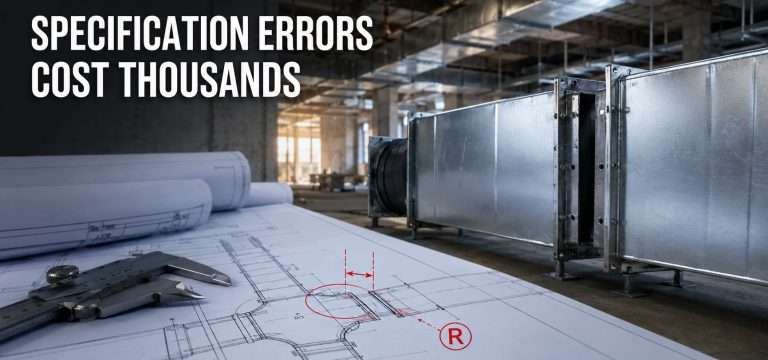
HVAC sound attenuators are specifically engineered devices designed to reduce the transmission of noise generated by airflow and mechanical components within the system. These are typically installed within the ductwork and utilise sound-absorbing materials and specific baffle configurations to dissipate sound waves without impeding airflow. The careful selection and strategic placement of these attenuators, often bespoke to the specific HVAC system and mall layout, are critical for achieving optimal acoustic performance.
Consider a multi-storey mall in Sandton. On the ground floor, a bustling food court requires high air changes for comfort, which can generate significant noise. On upper levels, fashion boutiques and perhaps a cinema require a quieter, more intimate setting. Effective HVAC sound attenuation ensures that the noise from the high-capacity systems serving the food court doesn’t intrude upon the quieter zones, creating distinct and appropriate acoustic environments throughout the mall. This level of acoustic control is essential for maintaining the diverse experiences that modern malls promise.
Investing in high-quality HVAC sound attenuation during the design and construction phase of new malls is the most efficient and cost-effective approach. It allows for seamless integration and optimal acoustic performance from day one. However, for existing malls, retrofitting sound attenuators can also yield significant improvements. While it may require careful planning and potentially more complex installation, the long-term benefits in terms of enhanced customer satisfaction, improved tenant relations, and a more pleasant overall environment far outweigh the initial investment.
In conclusion, for South African shopping malls striving to remain competitive and attractive destinations, the acoustic environment is no longer a secondary consideration. The pervasive, yet often unnoticed, noise from HVAC systems can subtly erode the customer experience, impact tenant success, and even reflect on operational efficiency. By prioritising and implementing effective HVAC sound attenuation, mall developers and managers are not just reducing noise; they are actively investing in an enhanced sensory experience, fostering stronger tenant relationships, and ultimately, ensuring the continued vibrancy and success of these vital retail and social hubs. It’s time to recognise HVAC sound attenuation as the unsung hero that enables the true retail experience.