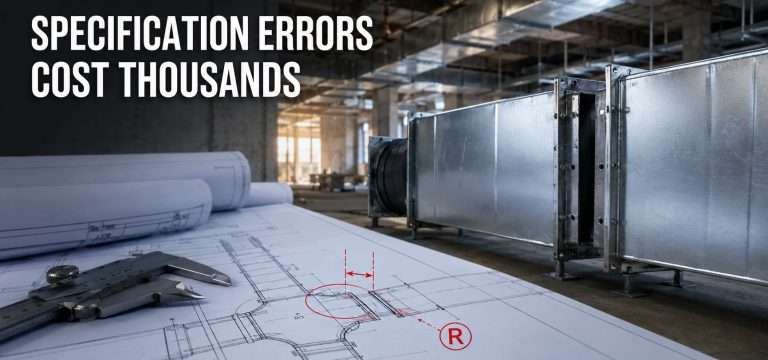
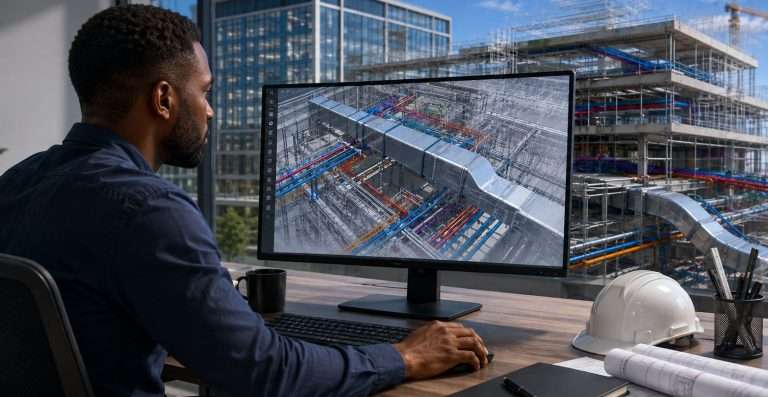
Sound attenuators are an important part of any HVAC system. They help reduce and control noise levels, making it easier for both people and equipment to work in a given area without disruption. Learn about how sound attenuators work in HVAC systems, their benefits and drawbacks, and when they should be used.
What Is Sound Attenuation?
Sound attenuation is the process of reducing sound levels to acceptable levels. Sound attenuators are installed within HVAC systems to absorb a significant portion of sound waves, effectively reducing or “attenuating” the sound intensity in an area. In other words, this equipment acts like a muffler, allowing airflow that passes through it to make less noise.
Why Are Sound Attenuators Important in HVAC Systems?
Sound attenuators are an essential component of HVAC systems since they help reduce noise pollution in an environment. Properly installed sound attenuators minimize ambient noise and allow air to move more freely through your system while still providing the necessary building ventilation. This means that sound attenuators can make both indoor and outdoor life more enjoyable by reducing intrusive street, industrial and HVAC sounds in the vicinity.
Types of Sound Attenuators Used in HVAC Systems
Sound attenuators are usually divided into two types: dampers and mufflers. Dampers reduce sound by deflecting or absorbing sound waves, whereas mufflers employ physical barriers to block the airborne sound before it enters a space. To make sure these components work properly and achieve desired acoustical performance, it is necessary to choose the appropriate type of attenuator that corresponds to the HVAC system’s requirements.
Benefits of Installing Sound Attenuators in HVAC Systems
Installing sound attenuators in HVAC systems can offer numerous benefits. For one, it reduces the transfer of sound from one area to another, creating a quieter environment within the space being ventilated. Additionally, it can also reduce noise pollution outside of the building by blocking the transmission of excessive sound beyond its walls. Finally, installing sound attenuators is ideal for saving energy as it minimizes losses due to air leakage and helps improve equipment efficiency.
Factors to Consider When Installing Sound Attenuators
When installing sound attenuators for your HVAC system, you need to consider several factors before making a purchase. First, decide on the type of attenuator that’s optimal for your situation as there are numerous types including in-line, circular, or rectangular. Additionally, take into account the material of construction and acoustic performance ratings of the attenuator you choose as these will determine how effective they are in controlling noise levels.