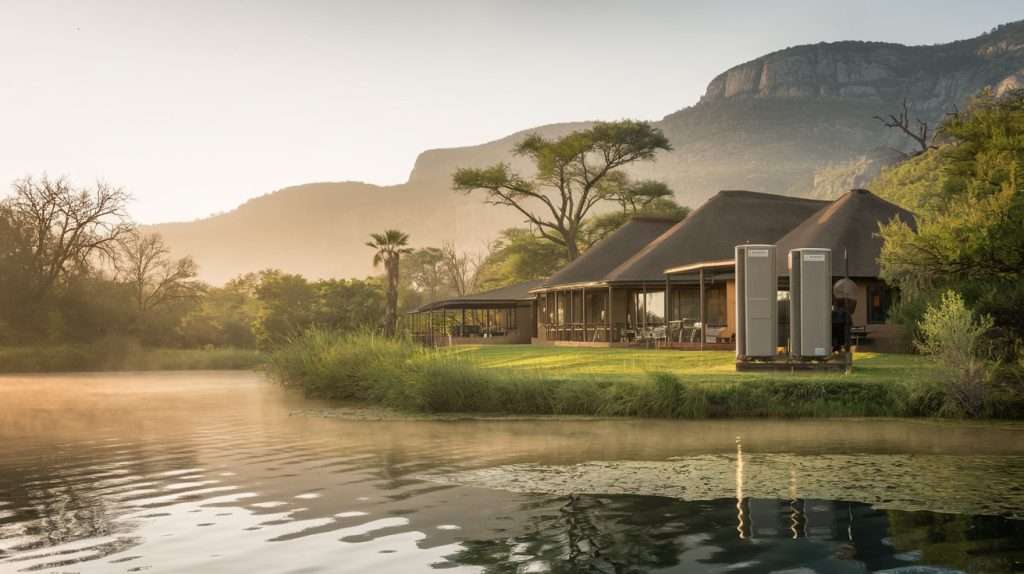
South Africa’s allure lies in its breathtaking natural beauty and the immersive experiences offered by its eco-tourism lodges. Imagine waking to the chorus of birdsong in the Kruger, or drifting off to sleep with the gentle sounds of the African bushveld. However, this idyllic picture can be easily disrupted by an often-overlooked source of noise: the very systems designed for guest comfort – Heating, Ventilation, and Air Conditioning (HVAC). In the pursuit of a pleasant stay, the hum, whir, and sometimes clatter of HVAC units can inadvertently detract from the tranquillity that draws visitors to these pristine environments. This is where the strategic implementation of HVAC sound attenuators becomes paramount for preserving the unique soundscapes and enhancing the overall guest experience in South African eco-lodges.
Eco-tourism, by its very definition, emphasises minimising environmental impact and fostering a deep connection with nature. Noise pollution, even seemingly innocuous sounds from essential amenities, can disrupt local wildlife, impacting their behaviour and breeding patterns. Moreover, for guests seeking refuge from the cacophony of urban life, the intrusive noise of an air conditioner can shatter the illusion of being immersed in nature’s embrace.
HVAC systems are vital for maintaining comfortable indoor environments, especially given South Africa’s diverse climate. However, the mechanical operation of fans, compressors, and air movement inevitably generates noise. Without proper mitigation, this noise can travel through ductwork and into guest rooms, communal areas, and even spill out into the surrounding natural environment.
This is where HVAC sound attenuators come into play. These passive devices are specifically designed to reduce the transmission of noise generated by HVAC equipment. They work by incorporating sound-absorbing materials within the ductwork, strategically placed baffles to disrupt sound waves, and flexible connections to minimise vibration transfer. By strategically integrating these attenuators into the design and installation of HVAC systems in eco-lodges, operators can significantly reduce noise levels without compromising the efficiency of the climate control.
Consider a luxury lodge nestled in the Drakensberg Mountains. Guests arrive seeking peace and stunning vistas. However, the constant drone of the air conditioning unit in their chalet could detract from their enjoyment of the natural symphony unfolding outside. By installing high-quality sound attenuators in the ducting leading to and from the unit, the lodge can ensure a comfortable temperature without the intrusive noise, allowing guests to fully appreciate the crisp mountain air and the calls of local birdlife.
Similarly, in a game lodge in Mpumalanga, the quiet operation of ventilation systems in communal areas like the dining hall or lounge is crucial for maintaining a serene atmosphere where guests can relax and share their wildlife encounters. Sound attenuators in the air handling units and ductwork can prevent the hum of machinery from overpowering conversations or the subtle sounds of the surrounding bush.
The benefits extend beyond guest comfort. Minimising noise pollution around eco-lodges also demonstrates a commitment to environmental stewardship. Reducing the acoustic footprint of the lodge helps to protect the natural behaviour of local fauna, ensuring that the presence of the accommodation has a minimal disruptive impact on the ecosystem. This aligns perfectly with the core principles of responsible tourism.
Furthermore, the thoughtful integration of sound attenuation can enhance the overall perception of the lodge. Guests are increasingly discerning and appreciate attention to detail. A tranquil and peaceful environment, free from unnecessary noise, contributes to a sense of luxury and immersion, ultimately leading to positive reviews and repeat bookings.
Choosing the right type and placement of HVAC sound attenuators is crucial. Factors such as the size and airflow of the HVAC system, the specific noise frequencies generated, and the acoustic requirements of the different areas within the lodge need careful consideration. Consulting with experienced HVAC engineers and acoustic specialists who understand the unique needs of eco-tourism environments is essential for effective implementation. In conclusion, for eco-tourism lodges across South Africa, from the savannas of Limpopo to the forests of the Garden Route, investing in HVAC sound attenuators is an investment in the very essence of their appeal – tranquillity and connection with nature. By thoughtfully mitigating the noise generated by essential comfort systems, these lodges can ensure a truly immersive and peaceful experience for their guests while upholding their commitment to environmental responsibility, allowing the sounds of the African wilderness to take centre stage.