
Construction
How Acoustic Engineering Drives Green Star SA Success
In the South African construction landscape, “sustainability” has graduated from a buzzword to a baseline requirement.

In the South African construction landscape, “sustainability” has graduated from a buzzword to a baseline requirement.

Retrofitting acoustic solutions after a build is complete can cost much more than integrating them during the design phase.
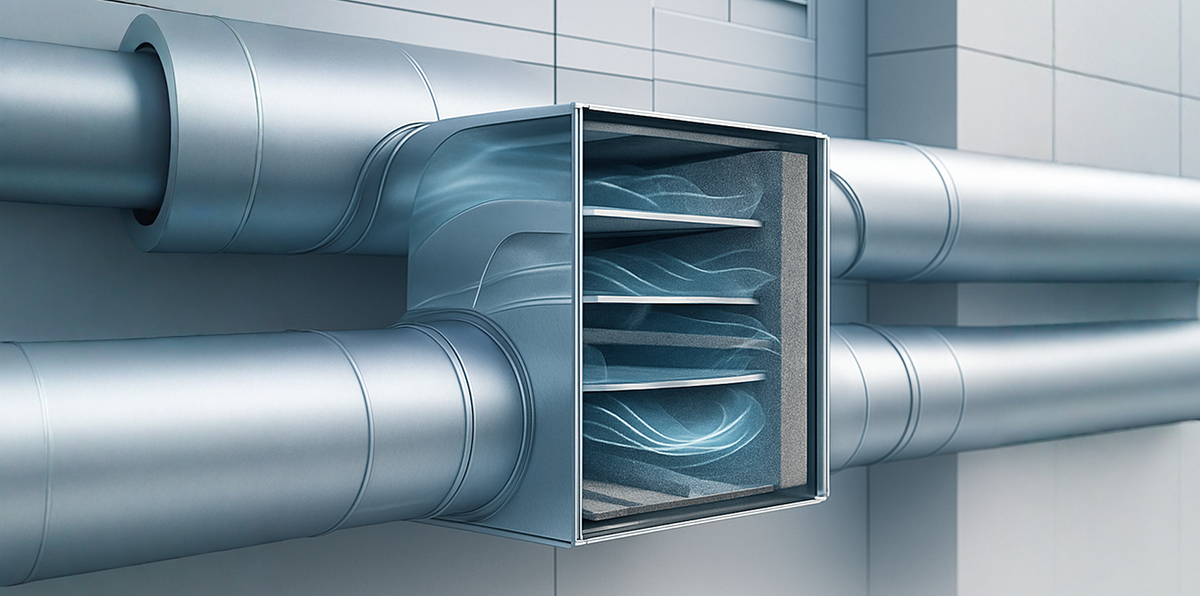
Modern attenuators leverage aerodynamic science to shatter the airflow-noise dichotomy.
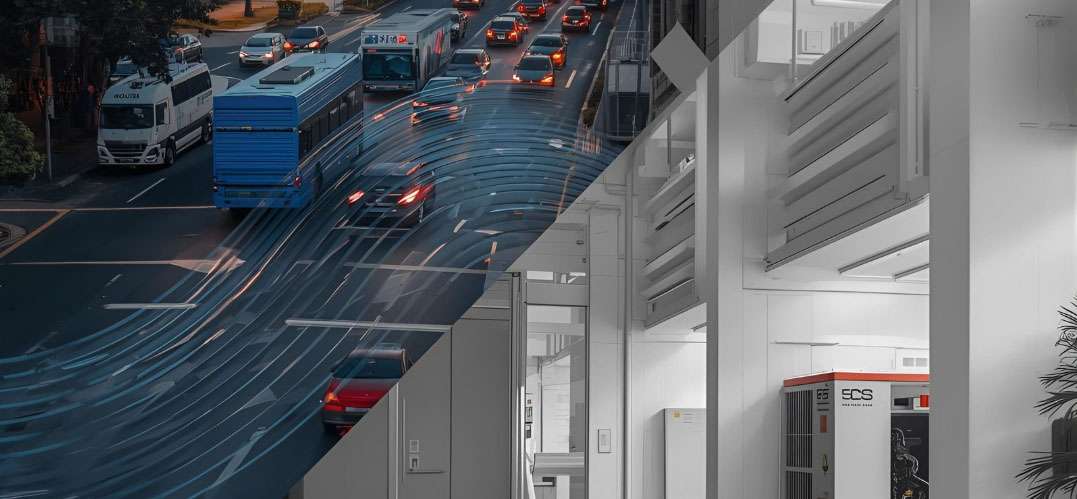
In bustling South African cities – from Johannesburg’s high-rise districts to Cape Town’s waterfront developments – noise pollution has become an unwelcome soundtrack to urban life.
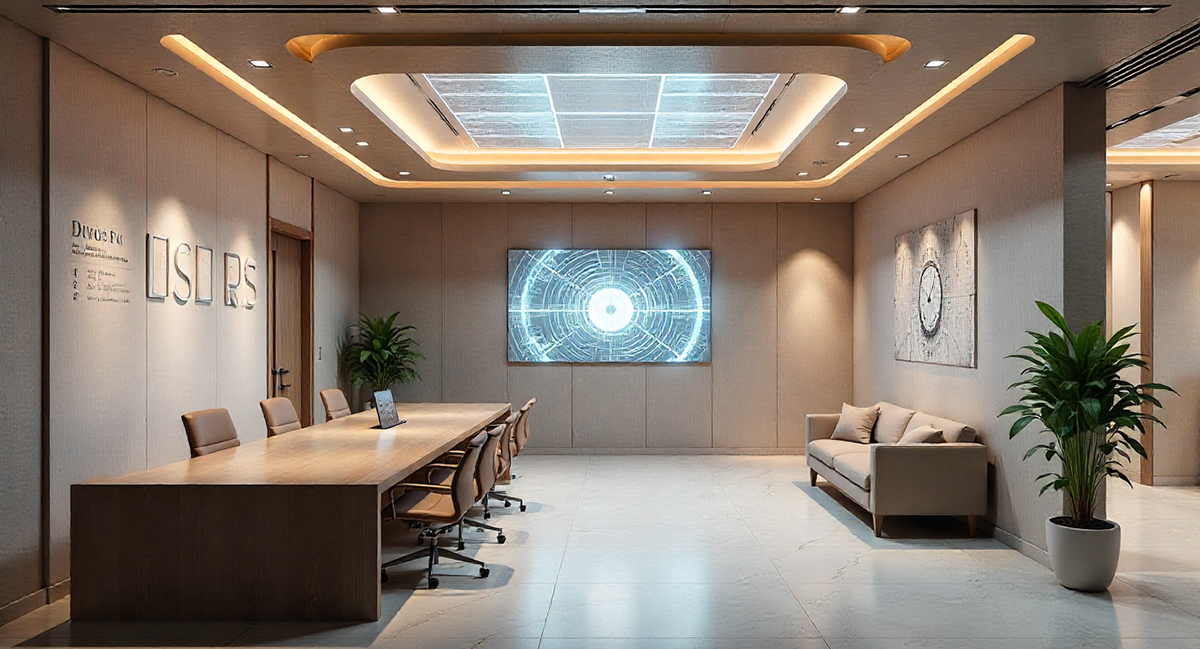
There’s one element of building performance that’s often overlooked in the rush toward smart technology: acoustics.

When it comes to HVAC systems, silence is golden.

One area where these conversations are especially relevant is acoustic design. As buildings incorporate more recycled or repurposed materials to meet sustainability goals, a key question arises: can we achieve high acoustic performance without compromising on environmental responsibility?

Whether it’s the low-frequency hum of rooftop chillers or the

In South Africa, noise is more than just an annoyance – it’s a regulated environmental issue that can have legal, financial and reputational consequences.

The difference between a disruptive HVAC system and a silent, seamless one.