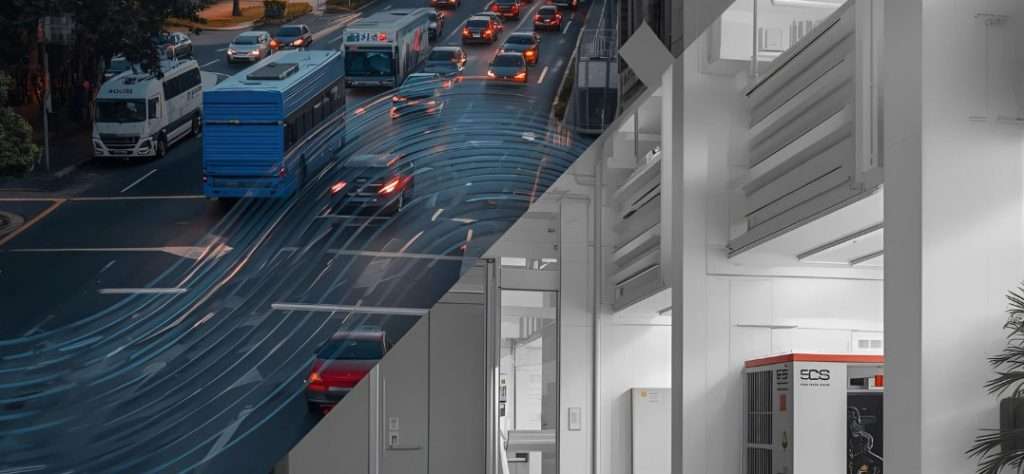
In bustling South African cities – from Johannesburg’s high-rise districts to Cape Town’s waterfront developments – noise pollution has become an unwelcome soundtrack to urban life. Traffic, construction, generators during power cuts, and commercial HVAC systems create a cacophony that doesn’t just fray nerves – it erodes property value. For contractors, architects, builders, and project managers, the equation is clear: acoustic performance is no longer a luxury; it’s a measurable asset. Investing in sound attenuators isn’t merely about compliance with SANS 10103 and SANS 10400 regulations. It’s a strategic move that elevates property appeal, commands premium pricing, and delivers undeniable ROI in a market where silence is increasingly scarce – and valuable.
The Devaluing Roar: Why Noise Drains Property Worth
South Africa’s dense urban corridors amplify noise-related depreciation. A study by SA Property Insights found that properties exposed to sustained noise pollution (≥65 dB) – think arterial roads like Gauteng’s N1 corridor or Cape Town’s Buitengragt area – can sell for significantly less, with global studies suggesting up to 10% depreciation. In hospitality, guest complaints about noise correlate directly with lower occupancy rates and discounted room pricing. Office tenants facing chronic disturbances report substantial drops in productivity, driving turnover and vacancy risks.
The cost of inaction compounds over time. Without attenuation:
- Residential developments face buyer resistance, especially in high-growth nodes like Umhlanga or Century City.
- Commercial buildings struggle to attract premium tenants in noisy CBDs.
- Hospitality venues sacrifice star ratings due to poor acoustic comfort.
Attenuators as Value Catalysts: Turning Quiet into Quotable Rands
Sound attenuators, when integrated into HVAC, generator bays, or facade systems, transform acoustic liability into equity. They’re not “silencers” – they’re engineered solutions that reduce noise propagation while maintaining airflow efficiency. For property stakeholders, this investment unlocks tangible premiums:
- Residential Resale Gains: Luxury complexes like Sandton’s ‘The Leonardo’ highlight how “acoustic zoning” via attenuators can help to increase resale prices. Buyers pay more for guaranteed tranquillity – especially in hybrid work eras where homes double as offices.
- Commercial Tenant Retention: In our work with developments like Marlboro Crossing, we observed tenant retention rise up to a third post-attenuation. Fewer vacancies mean stable rental income – and valuers look for “low-risk” tenancies.
- Hospitality Revenue Uplift: According to Hospitality Insights Africa 2022, an industry white paper correlates 25%+ RevPAR (revenue per available room) in acoustically optimised hotels. Attenuators enable “premium quiet” branding, directly boosting RevPAR.
The ROI of Silence: A Feasibility Perspective
When viewing acoustics through a feasibility lens, the return on investment becomes a calculation of “avoided risk.” Consider the math for a typical B-grade office retrofit:
- The Investment: R350,000 for full generator and HVAC attenuation.
- The Alternative: A single month of vacancy in a 2,000m² office floor can cost a landlord R300,000+ in lost rent and levies.
- The Return: If noise control prevents just one major tenant exit or reduces vacancy periods by two months over a 5-year cycle, the system delivers a positive ROI immediately.
- Valuation Impact: Beyond cash flow, valuers penalize buildings with “chronic defect” histories (like noise). resolving this removes the valuation cap, often yielding a 5–10x return on the initial hardware cost.
South African Nuances: Where Local Context Drives Demand
SA’s property landscape creates unique acoustic opportunities:
- Energy Crisis Gains: Generator noise is unavoidable during power cuts. Attenuators allow residential estates (e.g., Steyn City in Johannesburg) to market “silent backup power” – a key differentiator.
- Mixed-Use Boom: Nodes like Cape Town’s Foreshore blend offices, retail, and flats. Attenuators prevent noise bleed between units, preserving unit value.
- Coastal Premiums: Corrosion-resistant attenuators in Durban or Gqeberha extend system lifespans, reducing maintenance costs that erode profits.
Cost-Effective Acoustics: Why Every Rand Spent Echoes Back
Critics argue attenuators are “non-essential” expenses. This ignores lifecycle maths:
- Avoiding Penalties: Non-compliance with SANS 10103 and SANS 10400 risks fines and project delays.
- Retrofit vs. Install Savings: Integrating attenuators during construction costs much less than retrofitting. Something for architects to consider.
- Operational Wins: Reduced tenant turnover cuts remarketing costs. Energy-optimised designs (like Attenu-tec’s low-static-loss models) trim HVAC bills annually.
For project managers, the budgeting case is straightforward: acoustic investment typically comprises 0.5–1.5% of build costs but yields 5–15x returns via valuation bumps or rental upside.
The Quiet Conclusion: Sound as Your Competitive Edge
In South Africa’s property arena, noise control has shifted from regulation box-ticking to value creation. A “silent” asset commands higher prices, attracts quality tenants, and outperforms in volatile markets. For developers and contractors, this means acoustics belong in feasibility studies – not punch lists.
Is your project leaving Rands on the table through overlooked acoustics? Attenu-tec’s South African-engineered solutions turn noise into tangible premiums. Contact us for a free quote. Let’s build your competitive edge – one decibel at a time.