The South African HVAC (Heating, Ventilation, and Air Conditioning) market is experiencing significant growth, driven by a combination of factors including increasing urbanisation, rising temperatures, and a growing awareness of the importance of indoor air quality. Here’s a breakdown of the market, its key players, and the benefits it offers to South African consumers:
Market Overview
The South African HVAC market is diverse, catering to a wide range of needs from residential to commercial and industrial applications.
Key trends shaping the market include:
- Increased Demand for Energy Efficiency:
With rising electricity costs and a growing focus on sustainability, South African consumers are increasingly seeking energy-efficient HVAC solutions. This includes the adoption of inverter technology, smart thermostats, and other energy-saving features. - Growth of the Residential Sector:
As urbanisation continues, the demand for residential HVAC systems is on the rise. More and more homeowners are investing in air conditioning and heating solutions to improve their comfort levels. - Expansion of the Commercial Sector:
The commercial sector, including office buildings, shopping malls, and hotels, is a major driver of the HVAC market. These facilities require reliable and efficient HVAC systems to maintain comfortable indoor environments for employees and customers. - Industrial Applications:
Industries such as manufacturing, pharmaceuticals, and food processing rely heavily on HVAC systems to control temperature and humidity for optimal production and storage conditions. - Smart HVAC Technology:
The integration of smart technology is growing within the HVAC sector. This includes the implementation of systems that can be controlled via smart phones, and systems that utilise AI to learn user behaviour, and optimise energy consumption.
Who Uses HVAC and Why?
- Residential Users:
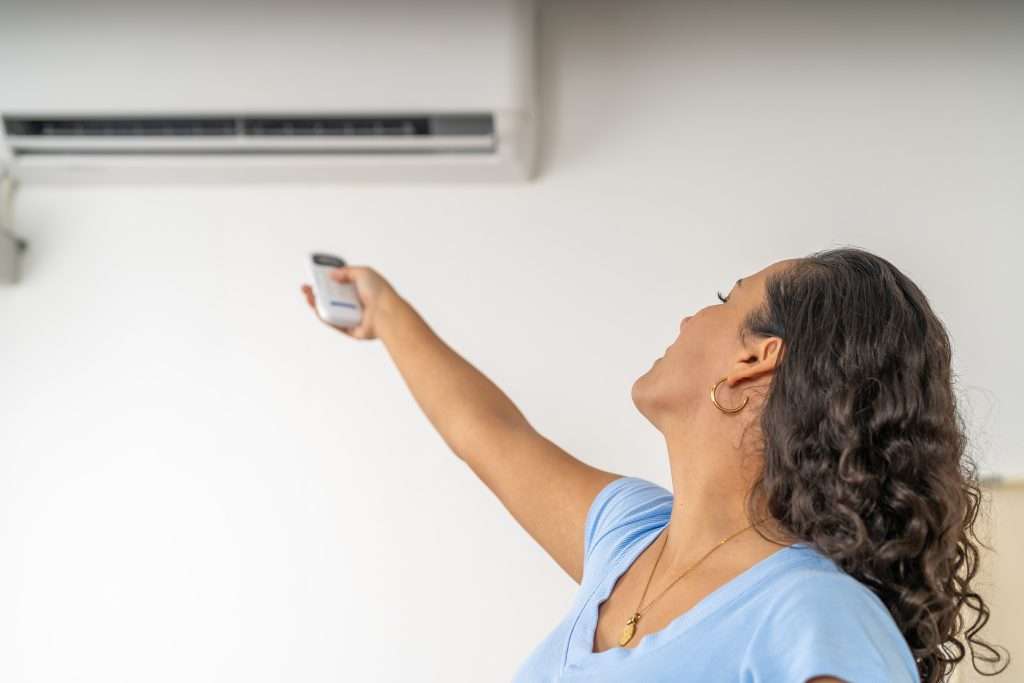
South African homeowners use HVAC systems primarily for temperature control, especially during the hot summer months. They also seek to improve indoor air quality by filtering out dust, allergens, and other pollutants. - Commercial Users:
Businesses use HVAC systems to create comfortable and productive work environments. This is particularly important in offices, retail stores, and restaurants. - Industrial Users:
Industries use HVAC systems for process control, ensuring that temperature and humidity levels are maintained within specific ranges for manufacturing and storage purposes. - Healthcare Facilities:
Hospitals and clinics rely on HVAC systems to maintain sterile environments and prevent the spread of infections.
Benefits of HVAC
- Improved Comfort:
HVAC systems provide consistent temperature control, ensuring comfortable indoor environments regardless of the weather outside. - Enhanced Indoor Air Quality:
Modern HVAC systems filter out dust, pollen, and other pollutants, improving indoor air quality and reducing the risk of respiratory problems. - Increased Productivity:
Comfortable indoor environments can improve employee productivity and reduce absenteeism. - Protection of Equipment and Products:
- In industrial settings, HVAC systems can protect sensitive equipment and products from damage caused by extreme temperatures or humidity.
Sound Attenuators in HVAC
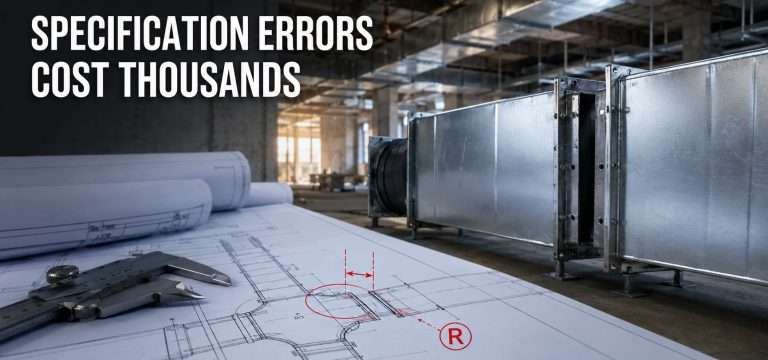
A crucial aspect of HVAC system design, especially in environments where noise levels are a concern, is the incorporation of sound attenuators. These devices are designed to reduce the noise generated by air handling units, fans, and ductwork. Sound attenuators typically work by using sound-absorbing materials and strategically designed baffles to dampen sound waves as they travel through the HVAC system. This is particularly important in places like offices, hospitals, and residential buildings, where quiet operation is essential for comfort and well-being.
Market Growth Factors
Several factors are contributing to the growth of the South African HVAC market:
- Climate Change:
Rising temperatures are increasing the demand for air conditioning systems. - Urbanisation:
The growth of urban populations is driving the demand for residential and commercial HVAC systems. - Economic Development:
As the South African economy grows, more businesses and individuals are investing in HVAC systems.
The South African HVAC market is poised for continued growth in the coming years, driven by increasing demand for comfortable and healthy indoor environments.